Introduction
Ostomy treatment is a crucial element of healthcare for individuals that have actually undergone surgical procedure that produces an opening (stoma) in the abdominal area. This treatment can come from different clinical problems, consisting of cancer cells, inflammatory bowel disease, or injury. Comprehending ostomy care is critical for both people and caretakers to make certain a premium quality of life and to decrease issues post-surgery. In this post, we will certainly dig deep into the very best techniques associated with ostomy care while integrating appropriate training and instructional resources available.
What is Ostomy Care? A Comprehensive Check Out Ideal Practices
Ostomy treatment refers to the administration of a stoma arising from operations such as colostomy, ileostomy, or urostomy. These medical treatments produce a synthetic opening through which bodily waste is expelled. Appropriate ostomy care entails not only the physical monitoring of the stoma yet also emotional support for those adapting to this life change.
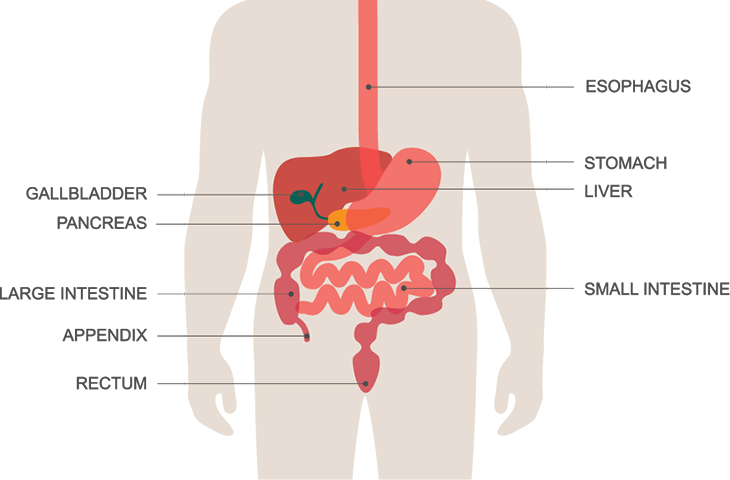
Understanding Stomas: Types and Functions
- Colostomy: This kind involves diverting component of the colon via the stomach wall. It usually arises from illness like colorectal cancer or diverticulitis. Ileostomy: This includes the diversion of the ileum, normally essential when the entire colon must be removed because of problems like Crohn's disease. Urostomy: This procedure reroutes urine far from an infected or malfunctioning bladder.
Each type of stoma demands various care techniques.
The Relevance of Ostomy Care
The value of correct ostomy care can not be overemphasized. Insufficient care can lead to difficulties such as skin irritability, infections, and clogs. Moreover, comprehending exactly how to manage an ostomy can empower individuals and enhance their autonomy in daily life.
Best Practices in Ostomy Care
1. Education and learning and Training
Effective ostomy care begins with education. Healthcare providers need to provide comprehensive training programs for individuals and their caretakers. Courses such as ndis complex bowel care training and stoma care training for carers outfit people with practical skills needed to manage ostomies confidently.
1.1 NDIS Complex Bowel Care Training
Australia's National Impairment Insurance coverage Plan (NDIS) offers specialized training concentrated on complex bowel administration tailored for those with impairments calling for assistance.
1.2 Stoma Care Training Programs
Stoma treatment training includes various elements consisting of:
- Identifying correct stoma appliances Techniques for changing pouches Maintenance of skin honesty around the stoma
2. Routine Assessment
Regular analyses are necessary in managing an ostomy efficiently. People must consistently inspect:
- The appearance of the stoma: Healthy and balanced stomas are normally pink or red. Skin condition: Keep an eye out for any indicators of inflammation or infection.
3. Choosing the Right Products
Selecting appropriate products plays a crucial role in efficient ostomy monitoring:
- Pouches must be chosen based on way of living needs. Skin obstacles can assist protect against wetness and irritants.
3.1 Sorts of Pouches
Different pouch systems include:
- One-piece systems: Practical but may call for even more regular changes. Two-piece systems: Enable flexibility in pouch modifications without troubling skin barriers.
4. Nourishment and Hydration
Diet plays a considerable function in handling bowel outcome after surgical treatment:
- Stay moistened: Sufficient fluid intake is essential. Avoid gas-producing foods: Foods like beans or cabbage might cause discomfort.
Caring for an Ostomy: Daily Monitoring Tips
5. Daily Cleaning Routine
Establishing a daily cleaning routine ensures hygiene remains vital:
Wash hands extensively prior to pouch changes. Use moderate soap and water around the stoma during cleaning. Pat dry delicately rather than rubbing.6. Troubleshooting Common Issues
Despite cautious management, problems may occur:
- Leaks: Evaluate pouch fit; think about using additional adhesive strips if necessary. Odor: Make certain proper sealing and take into consideration dietary adjustments.
Psychosocial Elements of Ostomy Care
7. Psychological Support
Adjusting to life after an ostomy can be testing both literally and emotionally:
- Encourage open communication regarding sensations related to body image changes.
7.1 Assistance Groups
Support teams provide important sources where people can share experiences and dealing strategies.
FAQs Concerning Ostomy Care
1) What prevail types of ostomies?
Answer: One of the most common types are colostomies, ileostomies, and urostomies, each offering various clinical needs.

2) How frequently ought to I transform my ostomy pouch?
Answer: It depends on your particular item but generally every 3-7 days unless there's leak or odor issues.
3) Can I join sports with an ostomy?
Answer: Yes! Many individuals with ostomies lead active lives; just take precautions concerning your pouch's safety throughout activities.
4) What ought to I do if my skin around the stoma comes to be irritated?
Answer: Assess your item fit; you might need a different dimension or sort of obstacle; consult your doctor if irritation persists.
5) Are there nutritional constraints after obtaining an ostomy?
Answer: While many foods are secure, some may trigger pain (like gas); consult a nutritionist specialized in post-operative take care of guidance.
6) Where can I discover sources for more education and learning on complex digestive tract care?
Answer: There are countless on the internet systems providing programs like complex bowel care training customized for both patients and caregivers under NDIS guidelines.
Conclusion
Caring for an ostomy requires dedication, education and learning, and assistance from health care experts along with enjoyed ones. Best techniques entail developing organized regimens around upkeep while making certain psychological well-being via area involvement and professional advice like those supplied in complex bowel care courses.
By taking proactive steps in the direction of learning more about what comprises effective ostomy administration-- ranging from correct item choice to recognizing nutritional effects-- people can lead fulfilling lives post-surgery while minimizing difficulties associated with inadequate care techniques.
In recap, comprehending "What is Ostomy Care? A Detailed Take A Look At Ideal Practices" not only improves one's expertise but also cultivates self-confidence amongst those navigating life with an ostomy-- a trip that begins with educated choice-making secured by recurring support group made specifically to meet special needs post-operatively.
This structured strategy enables readers to get insight right into extensive approaches associated with effective ostomy administration while addressing common issues via Frequently asked questions that provide quick answers to pressing questions connected to living with a stoma or undertaking associated treatments like complex bowel care training programs caring for a stoma available today.